


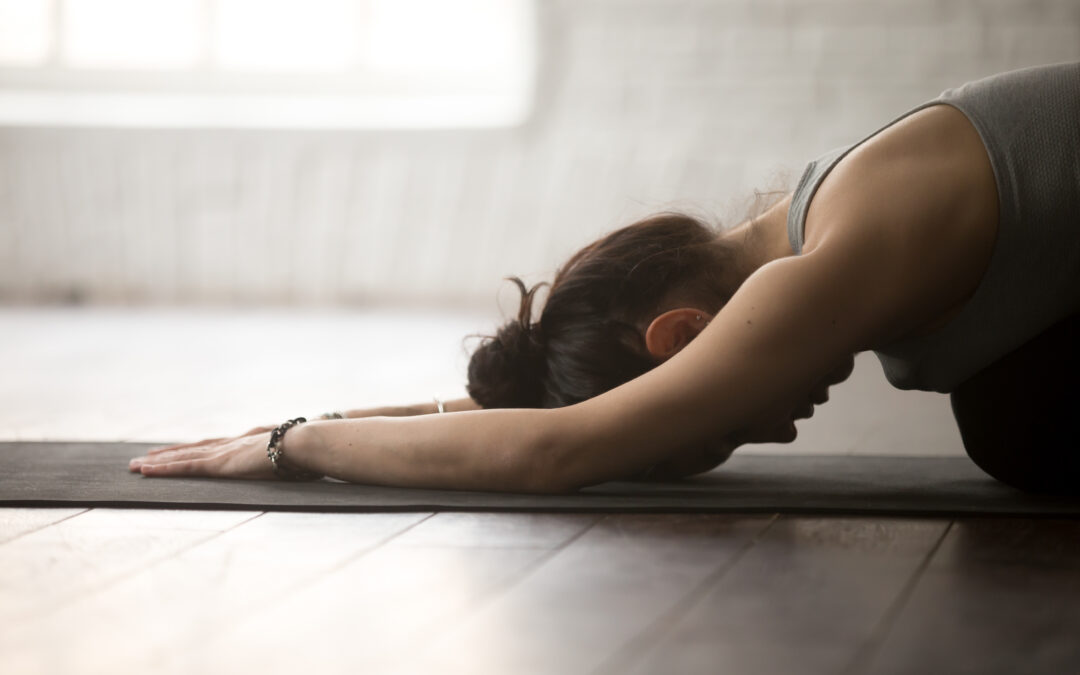
When people hear “slow yoga” or “gentle yoga,” doubts often come up: does it actually do anything? Isn’t it just for beginners? Here are the most common objections I hear, along with the science and experience behind the answers.
“I don’t have much time to exercise, so there’s no room for slow movement”
Cardiovascular exercise is great for your health, no doubt about it, but calm, gentle, mindful movement is equally important, for several reasons:
- If you train hard but still deal with anxiety, fatigue, depression, or chronic pain, a calm practice will be very helpful for you.
- While fast, cardiovascular exercise is good for your health, practicing calm movement helps you develop deep body awareness and greater resilience in your nervous system, which improves your overall response to the stress of daily life.
- Calm, gentle, mindful movement helps reduce inflammation, increases emotional regulation, and helps you sleep better.
“This isn’t real yoga”
There are many different approaches within yoga practice, and these different approaches have different goals and benefits. Slow, gentle yoga has just as many benefits as faster, more challenging yoga, if not more.
- Demanding exercise is fantastic, but a slow, gentle yoga practice offers different benefits from cardiovascular exercise, and they are just as important. Its goal is to help you build greater resilience, improve your self-regulation, and reduce the inflammation caused by stress through relaxation.
- This gentle practice helps your nervous system feel more centered and calm when you need it, and energized and focused when you need that instead.
- This type of practice improves the immune system, reduces fatigue, and even helps you find a deeper sense of who you are and what you want to do with your life.
“Slow yoga won’t help me lose weight”
When I started practicing this type of yoga, I was also worried about sacrificing my cardio time for a slower practice. But at the time, I didn’t know the science of body weight.
I didn’t realize that hard exercise only accounts for 10 to 30% of weight loss. Research shows that stress is inflammatory and one of the main contributors to weight gain, and that mindful movement combined with conscious breathing helps reduce stress levels, and therefore the inflammation that comes with it.
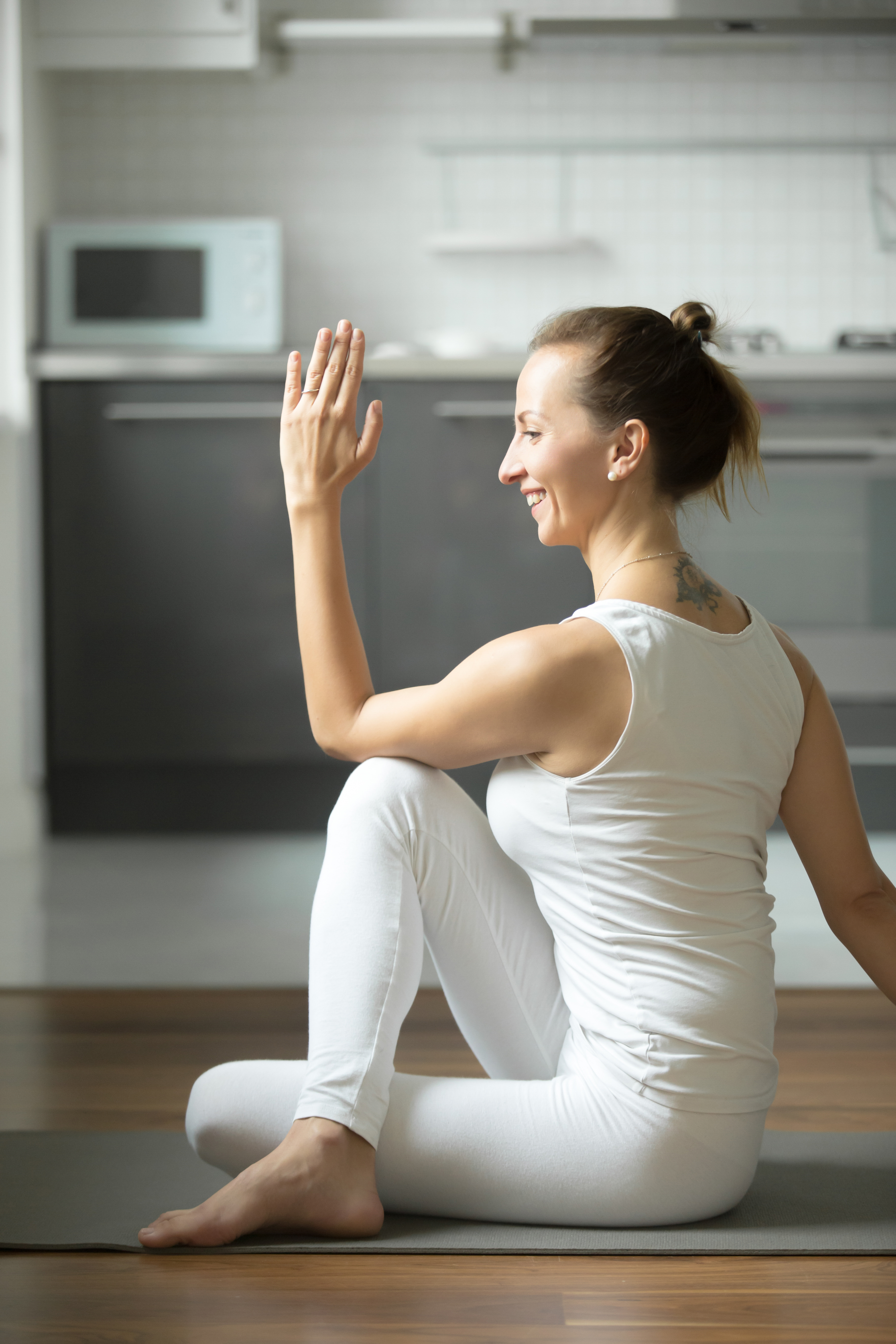
“This method is fine for beginners, but I want to learn advanced yoga”
Many people believe that the goal of yoga is to create increasingly sophisticated poses, and that this can only be achieved through a practice that looks more like contortion than anything else. It can certainly be fun to explore challenging, sophisticated poses, but they’re only one piece of the puzzle that is yoga.
Advanced poses can make you feel great, but once you start reaping the benefits of a calm, gentle, mindful practice, your definition of “advanced” starts to change. “Advanced” also means being able to sleep better, digest better, relate to others more calmly, feel at peace with yourself, and have greater concentration.
“If I don’t feel the stretch, it’s not doing anything”
Many people who practice yoga feel this way: “I have to go a little past my limit to feel the stretch, only then do I know I’m doing it right.” What’s perhaps less understood is that people who are super flexible (hypermobile) or have lax joints may feel like they can always push a little further into a stretch, and this is exactly how people get injured in yoga.
A calm practice helps you learn to move mindfully and find deep satisfaction in movement without overstretching or causing harm. Slow yoga leads to a safer, more sustainable yoga experience over time.
“I won’t build strength practicing this kind of yoga”
People often think that if there’s no effort or movement that produces a lot of heat, they’re not building strength, but that’s not necessarily the case.
Moving slowly can mean lying on your back and making small movements, cultivating body awareness, but it can also mean practicing moving slowly into a more complex pose. Slow doesn’t necessarily mean “languid”; in fact, slow movement can be excellent for building strength. Research shows that slow movement, particularly in balance poses, is excellent for strengthening muscles.
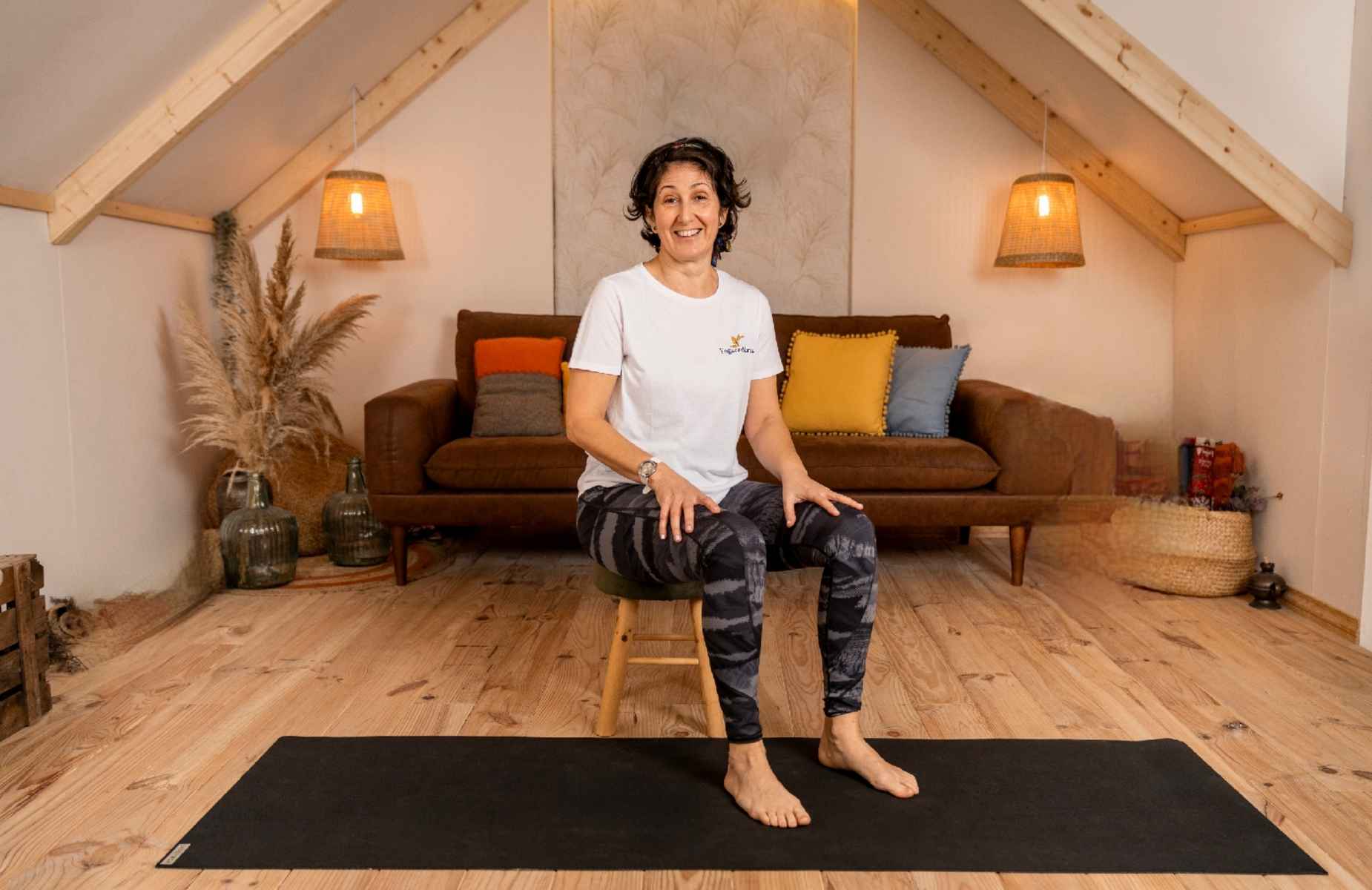
Translation and adaptation: María Uceda, yogaconmaria.es
Original article: Kristine Kaoverii Weber, subtleyoga.com